
Modan Fashion KIMONO Remake How to Upcycle KIMONO
Ideas for Remaking KimonoHow to Upcycle Vintage Japanese Kimono
for Modern Fashion
There is this KIMONO.
It was your grandmother’s, or perhaps you visited Japan and found it at a flea market. The silk is soft to the touch. It’s the kind of clothes that seem made of memory.
It sits in your closet now. You don’t wear it, and don’t even know how. But you can’t throw it away, either. There is something about being too alive.
That is where the KMONO remake comes in.
Need to work on from here!
Not Just Old Clothes
First, let’s get one thing clear: vintage KIMONO are not just “ old clothes.”
They are made of silk that took weeks to dye. Their patterns that follow the seasons, such as cherry blossoms in spring and maple leaves in fall. They were stitched with care by hand and with love and passion.
But life changes. The way we dress does, too. And these pieces were left behind.
Because they are too formal for everyday, the sleeves are too long, no obi, or no idea how to fold KIMONO properly. So they sit there and waiting.
What Can You Do With a KIMONO?
A lot. KIMONO can be everything.
Some people make jackets. Others turn them into dresses, even bags, pillows, or wall art.
It’s all possible.
What is the key to remaking? Just respect the fabric.
Let it guide you.
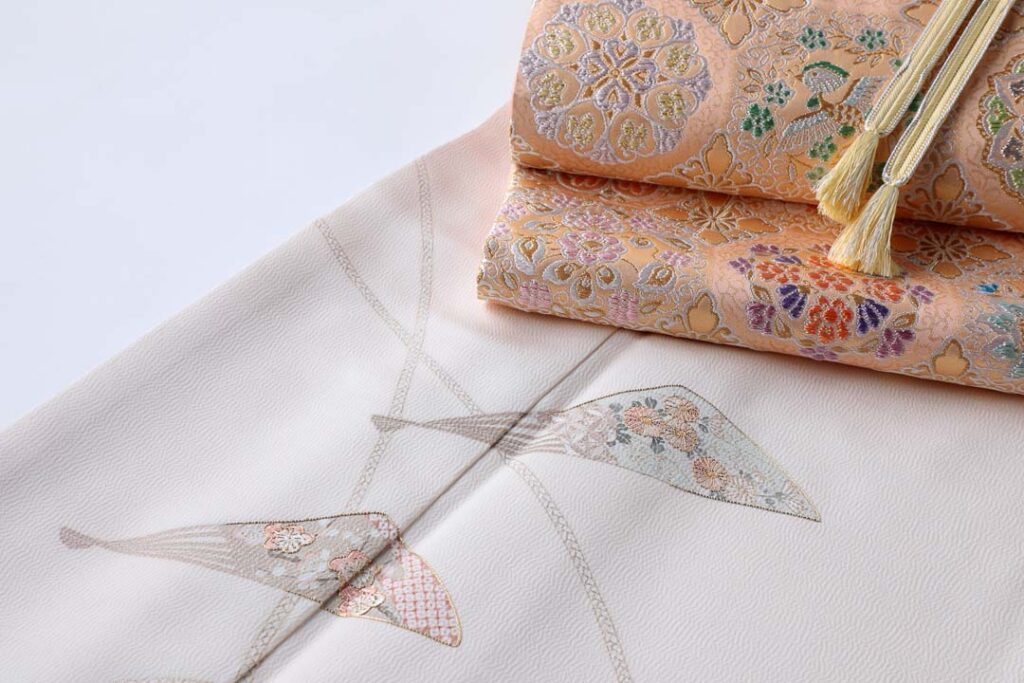
1. The Dress
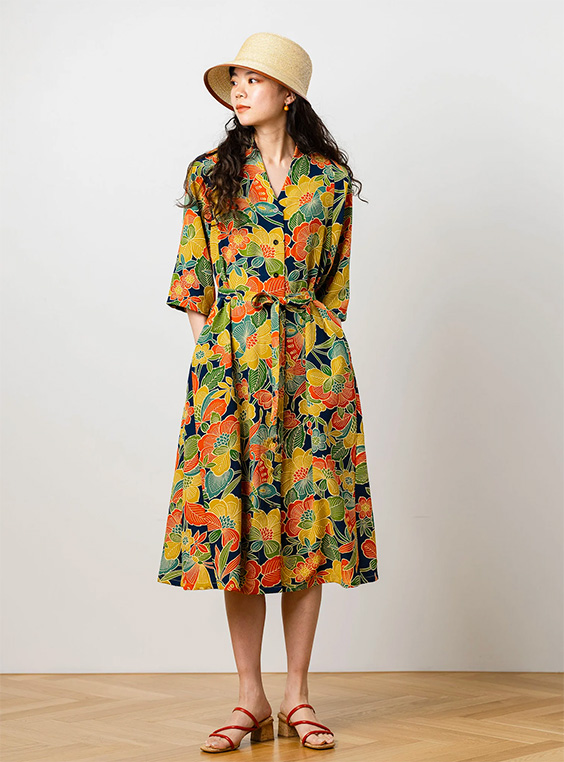
A full-length KIMONO dress or something short. Flirty. Western cut with Japanese soul.
Sometimes it has sleeves that echo the original KIMONO shape. Sometimes not,
but the fabric speaks. It always speaks.
Cranes in flight. Wisteria in bloom. Gold thread. A little mystery in the lining.
It sways when you walk. It makes people look twice.
Someone will ask where it’s from. You’ll smile, because it’s not from a store. It’s from your past.
From a coming-of-age ceremony, a wedding, or your grandmother’s closet.
This is not just a dress.
It’s a memory you can zip up and take outside.
2. The Jacket
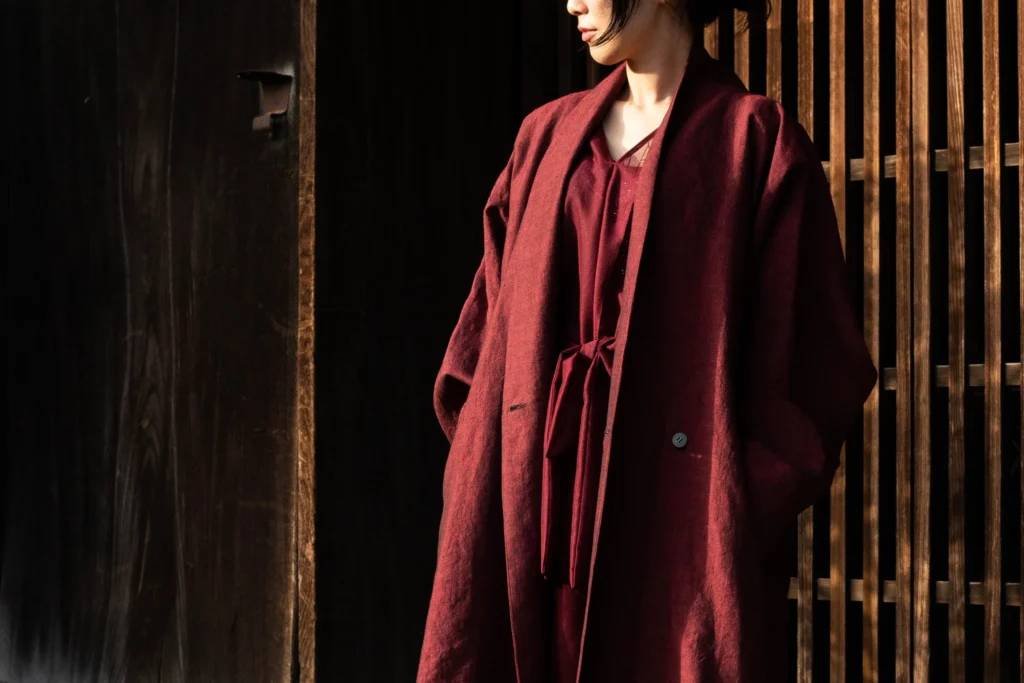
Not everyone wants a dress. Some people want something casual, but still special.
That’s where the jacket comes in.
You can keep the original sleeves or make them short and boxy.
Line it with cotton and add hidden buttons, or leave it open. Let it flow.
It works over jeans, over a dress with sandals or boots. It doesn’t matter. It just works.
Some jackets are barely changed. Just a few seams adjusted. That’s enough.
Because KIMONO fabric has its own gravity, and it carries the elegance with it.
Even when it’s cropped, even when you wear it grocery shopping.
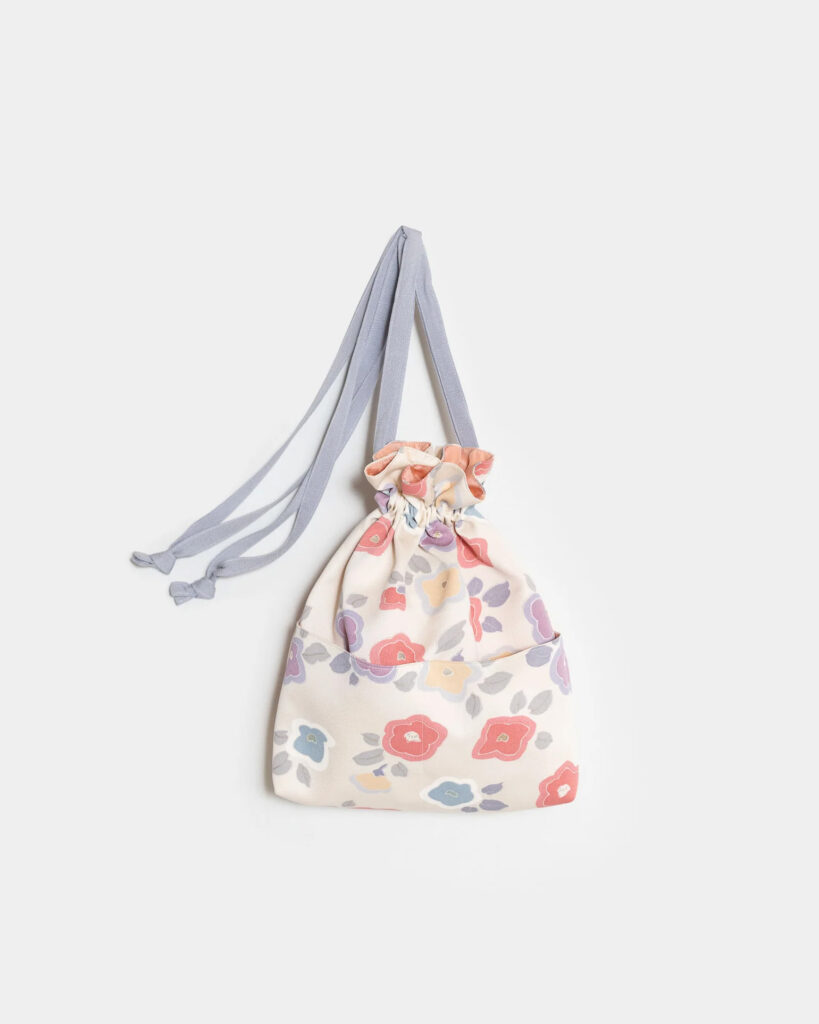
3. The Bag
Leftover pieces? Don’t toss them.
Make a clutch or a tote, even a drawstring bag.
Something you can carry every day, like bringing a part of the memory with you.
Sometimes the smallest things carry the most feeling.
Let’s talk leftovers. Remaking KIMONO often leaves small pieces. Fragments.
Some people throw them out. We don’t.
A clutch. A zip pouch. A tote bag. All made from leftover silk.
Sometimes patchworked. Sometimes simple.
These bags carry more than keys or lip balm.
They carry history too.
The red silk might’ve been a collar lining. The purple part is from an inner sleeve.
Together, they tell a new story.
People hold them close.
Because sometimes the smallest things carry the most feeling.
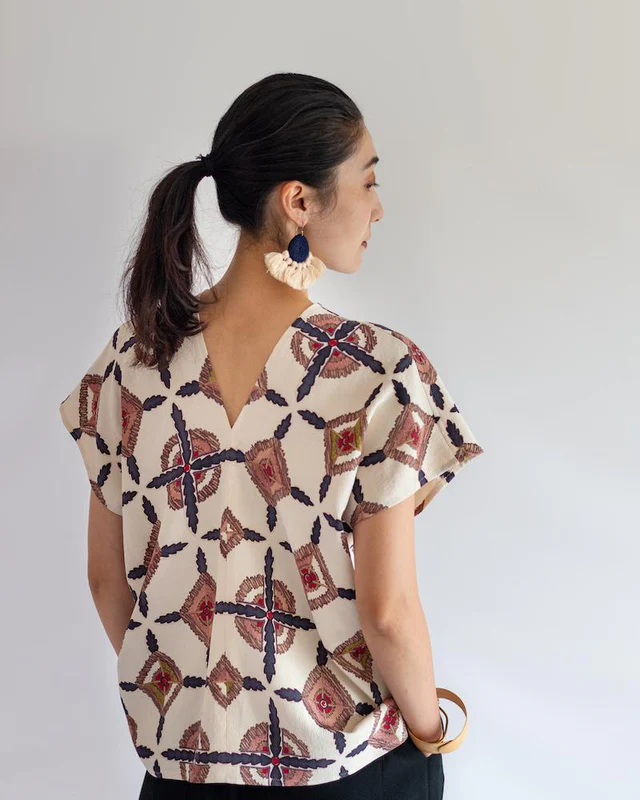
4. The Top
Simple. Versatile. Quietly beautiful.
Tops are one of the most popular kimono remakes.
Why? Because they fit today.
A sleeveless blouse. A loose-fit V-neck. A boxy crop top with wide sleeves.
Perfect for summer or layered in winter.
You pair it with jeans, a skirt, or nothing fancy at all.
The pattern might be bold, cranes or fans, or gold threads.
Or soft, faded peach blossoms, whispering blue. It doesn’t matter.
You’ll forget it used to be formal wear.
Until someone says, “Where’d you get that?” And you say, “Oh, it used to be KIMONO.”
And they pause. Like they just heard a secret.
Because they did.
Wait. Before You Cut.
Take a moment. Not all KIMONOs should be remade.
Is it valuable? Does it have a family crest (kamon)? Is the fabric in good shape?
If you’re unsure, ask someone who knows. There are KIMONO specialists, or you can ask us.
Sometimes, it’s worth keeping one as it is.
But if it’s stained, torn, or forgotten.
Then, remake it gently and thoughtfully.
It’s Not Just Fashion. It’s Sustainable.
No factories. No mass production. Just old fabric and a new idea.
Upcycling a KIMONO means you’re not adding to landfills. You’re honoring craftsmanship.
You’re choosing slow over fast. And your remake? One-of-a-kind. Just like the KMONO it came from.
You can’t buy that kind of story in a shopping mall.
People Will Ask
“Where did you get that?”
You’ll say, “It used to be my grandmother’s,” or, “It was an old KIMONO I found in Tokyo.”
You won’t just be wearing fabric. You’ll be wearing meaning.
And isn’t that what style should be?
One Stitch at a Time
You don’t need to be a designer.
Start small. A scarf. A pouch. Even just framing a piece of the obi as art. Whatever you make. It’s yours.
And it has history in it. Somewhere in that thread, someone else’s hands once worked. A story once started. You’re just continuing it.
And that? That’s beautiful.