Cultural ValueWhy the KIMONO Still Matters
Japanese KIMONO Cultural Value and the Need for Preservation
If you are Japanese, there is one in your closet.
Maybe it came from your grandmother. Maybe it folded neatly and came in a dusty box. The KIMONO still sofe and smells like time…
And you’re right. It does.
You don’t wear it and even you are not even sure how. But you keep it for some reason, because you feel like it has some meaning.
KIMONO is Not Just Fabric
It is the culture and memory of the family. The message of Japanese tradition from hand to hand. In Japan, KIMONO is not just clothing. It is a symbol of identity, family, respect, and time.
For some, it’s a coming-of-age outfit. Like worn once, at 20. For others, it’s a wedding memory, a funeral, or New Year’s.
And for many?
It’s that thing folded up in the drawer, unused, but never thrown away.
For some people, it is a coming-of-age outfit, like worn once at 20 to celebrate becoming an adult age which is a common event in Japan, it is a wedding memory, or New Year’s.
And for many people? It is that thing folded up and sitting in the drawer. Unused, but never thrown away.

KIMONO That Speaks
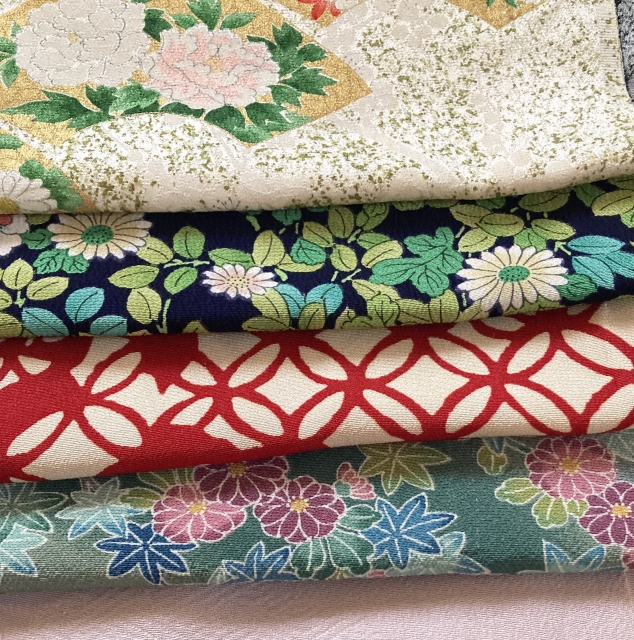
Every KIMONO says something, even if you are not listening. The color. The sleeve length. The design.
It tells your age group, your marriage status, and even where you are going, when, and why.
It is like a conversation. But no words.
Some have crests, KAMON. They say, “This is our family. This is who we are.”
Other has cherry blossoms, cranes, or ocean waves. Each one has a quiet symbol to represent the season, a good future, and long-term peace.
You don’t just wear it. You carry it with care.
So Why Is It Disappearing?
Life changed.
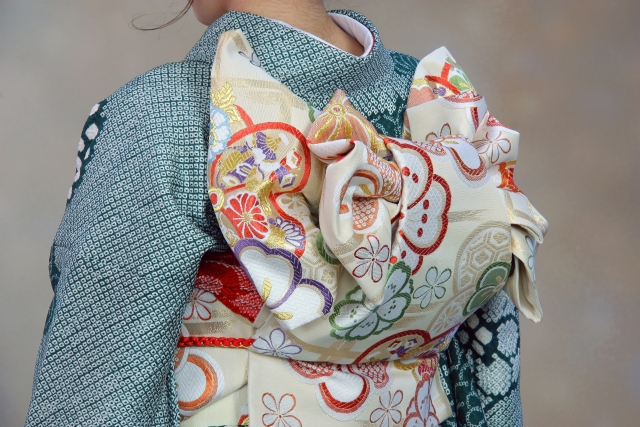
After World War Ⅱ, Western clothes took over KIMONO. Shirts. Sneakers. Skirts. Pants.Faster. Easier.Cheaper.
KIMONO became complicated. Too many layers and takes too long to wear.
Young people don’t know how to wear or tie KIMONOs, nor do they understand their significance.
Therefore, KIMONOs became occasional wear. They’re worn for formal ceremonies or photo ops, or worse, they’re forgotten.
But Not Gone
Because even if it is not worn every day, it is still there.
In your memory.
In old family photos.
In antique shops.
In your mother’s voice: “This was mine when I was your age.”
And more recently, you can see them in fashion shows, craft studios, remake ateliers, and also online.
The Rise of KIMONO Remake
Some KIMONO cannot be worn anymore, because they are torn, stained, and the shape doesn’t fit today’s life.
But how about the fabric? It is still breathtaking, strong, and worth something. So people started remaking them into coats, bags, dresses, and even wall hangings.
It is not disrespectful. It is respect in action. It is preservation through transformation.
KIMONO doesn’t have to stay the same to keep its meaning. Sometimes, it gets even stronger in a new form.
Why Preservation Matters
Think of it like this: When a language disappears, so does a way of thinking?
If a garment like the KIMONO disappears, a way of feeling and connecting disappears with it. It’s a way of saying, “This is me,” without speaking.
Preserving KIMONO is not about being stuck in the past. It’s about carrying it forward into the future. Carring for it gently, with creativity and with care.
KIMONO Is Sustainability too
It is not only emotional sustainability, but also actual environmental sustainability.
KIMONO fabric is made to last. It is woven with precision and dyed by hand, and often passed down for decades. Remaking it means no waste. No fast fashion. No throwaway culture.
You are using what already exists. And you are honoring it and extending its life.
That is slow fashion. This is what the world really needs now. So yes, wearing or remaking KIMONO?
That’s activism. It is Quiet, Beautiful and Thoughtful.
The Future of Tradition
You might not wear a KIMONO the traditional way. That’s okay. You might turn it into a jacket or a dress, or a pillow for your sofa. That’s okay, too, because tradition doesn’t have to stay frozen.
It can breathe. Shift. Evolve. You can give it new life.
As long as we remember what it meant and what it still can mean.
Still Here. Still Speaking
KIMONO is still a matter. It’s not just because they’re pretty; they hold memories, identity, and meaning, all sewn into the fabric. So, when you see one, it may be in your closet or your heart.
Don’t let it fade. Wear it. Share it. Remake it.
Let the story continue into the future