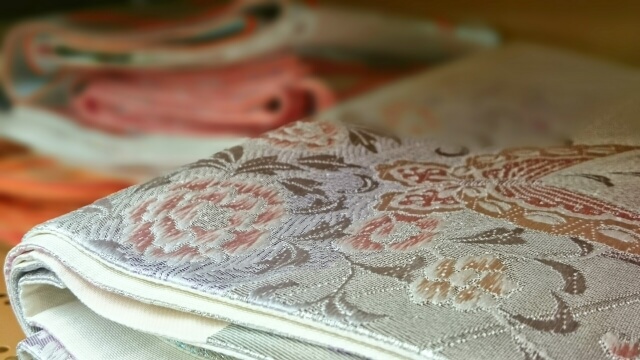
What Is KIMONO? Introduce Japanese Culture
What a Lovely Exemplar KIMONO of Japanese Culture
Curious what is KIMONO?
You’ve seen one before. In photos. Perhaps your friend picked one up on a trip to Japan. Long sleeves. Bright colors. A belt that was tied in the middle.
That’s a KIMONO.
But it’s not just a nice robe. It’s so much more than that.
It’s history. It’s tradition. It’s feelings stitched into fabric.
Let’s Go Back — Way, Way Back
The KIMONO did not evolve out of nowhere overnight. It evolved. Slowly. Over time.
Japanese nobles started donning layers of robes way back in the Heian period (794–1185). They were beautiful. Flowing. As many as 12 layers occasionally, especially if you were a lady at court. Can you imagine?
At that time, they hadn’t yet come to be known as “KIMONO.” But the concept of clothing in service to displaying status, the seasons, even the mood, began there.
Fast forward a few centuries. In the Edo period (1603–1868), all Japanese, not only nobles, wore KIMONO. Men, women, children.
Every day wear. Formal wear. Workwear. Even sleepwear.
But here’s the thing: The design was virtually unchanged. Straight lines. No curves. The joy was in the details — the fabric, the color, the patterning, the accessories.

“KIMONO” — What It Really Means
Let’s break down the word.
Ki (着) means “to wear.”
Mono (物) means “thing.”
So, in short, it just means “something you wear.” Sounds simple, right? But in practice? Not so simple. Because putting on KIMONO is not like slipping into jeans and a hoodie. It’s a process.
There are rules. Layers. Ties. Padding. The obi (the wide belt). How you walk, how you sit, everything makes a difference.

So Many Types — So Many Stories
Not all KIMONOs are created equal. Each one has a purpose. A moment. A mood.
Let’s talk about a few.
Furisode: Long sleeves that almost touch the ground. Super formal. Worn by young, unmarried women. Usually at coming-of-age ceremonies or weddings.
Tomesode: Worn by married women. Shorter sleeves. Less flashy, but still elegant. Often black, with patterns only below the waist. Worn to weddings too — just from the mother-of-the-bride side.
Yukata: Summer KIMONO. Light cotton. Easy to wear. You’ll see them at fireworks festivals or onsen (hot spring) resorts. They feel relaxed. Joyful.
Komon: Casual KIMONO with tiny repeated patterns. For daily wear or less formal occasions.
Houmongi: A bit more formal. Worn when visiting someone or attending a party. Designs flow across seams, which makes them more special.
Each type tells you something about the person wearing it. Their status. Their age. Their intention.
And that’s kind of beautiful, right?
The Hidden Language of the KIMONO
Here’s what most people miss: every KIMONO is talking. Not out loud. But through its design.
A crane means long life. Waves is strength. Pine trees is endurance.
Cherry blossoms? Fleeting beauty. Because they bloom, then fall, so quickly. Even the season is woven in. Wear plum blossoms in winter. Wisteria in spring. Maple leaves in fall. Wearing the wrong motif at the wrong time? Kind of awkward. Like wearing Halloween socks in March.
There’s also color. White is purity. Red means happiness. Indigo? That deep, earthy blue? Pure tradition.
So yeah — a KIMONO doesn’t just cover you. It says something. Always.
But These Days… Not So Common
Here’s the thing. Most Japanese people don’t wear KIMONO anymore. Not every day, at least. After World War II, Western clothing became the norm. School uniforms, office suits, casual wear.
Easier. Faster. Less effort. Wearing a KIMONO takes time. You need to know how to layer, fold, and tie. It’s a skill. Almost an art form. And so… a lot of KIMONO got packed away. Into cedar-lined drawers. Stored by grandmother. Forgotten by grandchildren.
But they’re still there and just sitting.
And Now — A Quiet Comeback
The world’s changing. People are thinking differently. About fashion. About waste. About what they own and why. And slowly the KIMONO is coming back. Not always the traditional way. But through remake. Upcycling. Giving these garments new life.
A jacket made from a KIMONO.
A dress. A handbag. Even a wall hanging.
It’s about preserving the beauty. The craftsmanship. The story but making it work for today.
People are realizing: we don’t have to copy the past. We can honor it. And move it forward.
Sustainability, Style, and Soul
Upcycling KIMONO isn’t just trendy. It’s smart and kind.
You’re not wasting. You’re reusing. You’re valuing every thread, every dye, every hand that touched that cloth.
Think about it. This one garment was made to last decades. Maybe centuries. It doesn’t belong in a landfill.
It belongs on someone’s shoulders, table, or in their heart.
Then, What Is a KIMONO?
It’s fabric, yes, but also more.
It’s your grandmother’s wedding day.
It’s a quiet morning in Kyoto.
It’s the flutter of sleeves at a summer festival.
It’s tradition and transformation.
It’s something old, made new.
Something is still yet moving.
What is a KIMONO?
It’s a thing to wear.
But also a way to remember and to reimagine.